Introduction
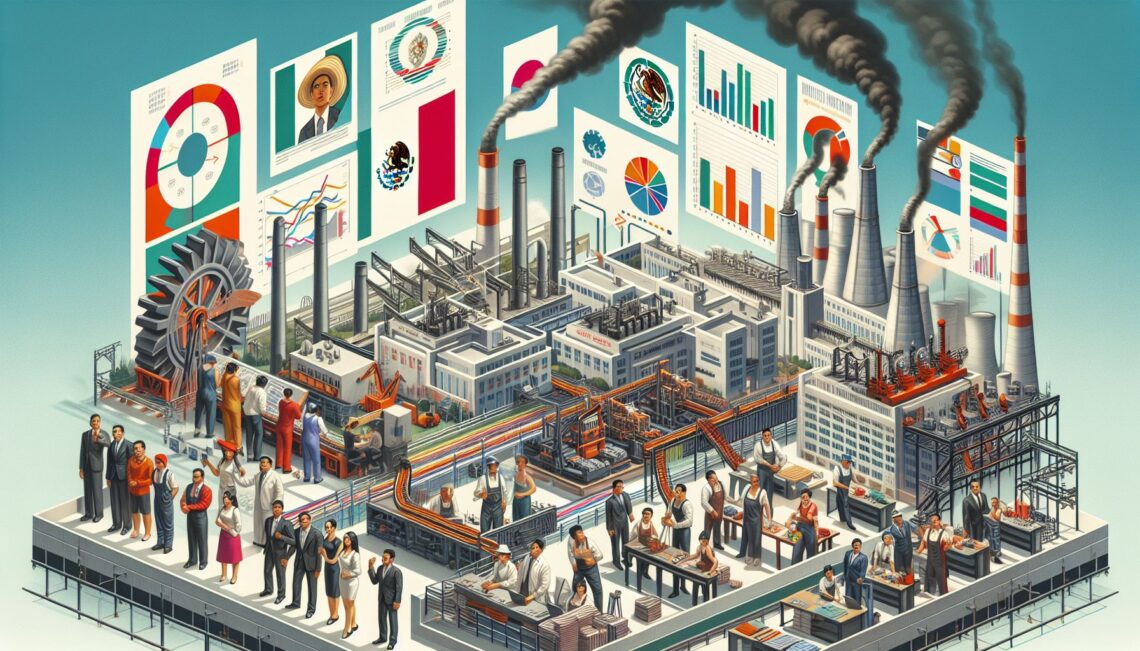
In recent years, Mexico has emerged as a key player in the manufacturing sector in North America. With its strategic location, skilled labor force, and favorable trade agreements, Mexico has become an attractive destination for companies looking to establish manufacturing operations. This article will explore the economic growth of Mexico as the new manufacturing hub in North America.
Factors Driving Mexico’s Economic Growth
Several factors have contributed to Mexico’s rise as a manufacturing powerhouse. One key factor is its proximity to the United States, the largest consumer market in the region. This geographical advantage allows companies to reduce transportation costs and lead times, making Mexico an ideal location for manufacturing facilities.
Another factor driving Mexico’s economic growth is its skilled labor force. The country has a young and rapidly growing population, with a large number of workers entering the labor market each year. Additionally, Mexico has invested in technical education and training programs to ensure that its workforce remains competitive in the global market.
Furthermore, Mexico has a network of free trade agreements that provide companies with access to markets around the world. The country is a member of the United States-Mexico-Canada Agreement (USMCA), which has created a more favorable trading environment for manufacturers operating in Mexico.
Industry Trends in Mexico
Mexico has seen significant growth in industries such as automotive, aerospace, electronics, and medical devices. Major multinational companies have established manufacturing facilities in Mexico to take advantage of its skilled labor force and competitive operating costs.
For example, companies like Ford, General Motors, and Toyota have invested heavily in Mexico to produce vehicles for the North American market. In the aerospace sector, companies like Boeing and Airbus have established manufacturing plants in Mexico to produce components for their aircraft.
Additionally, Mexico has become a hub for the production of electronics and medical devices. Companies like Samsung, Foxconn, and Medtronic have set up manufacturing facilities in Mexico to meet the growing demand for consumer electronics and healthcare products.
Challenges and Opportunities
While Mexico offers many advantages for manufacturers, there are also challenges that companies must navigate. One of the main challenges is the country’s infrastructure, which in some areas is not as developed as in other manufacturing hubs.
Another challenge is the need to maintain a stable political and regulatory environment. Companies operating in Mexico must stay informed about changes in government policies and regulations that may affect their business operations.
Despite these challenges, Mexico presents significant opportunities for companies looking to expand their manufacturing operations. The country’s growing consumer market, skilled labor force, and strategic location make it an attractive destination for manufacturers seeking to enhance their global supply chains.
Conclusion
In conclusion, Mexico’s economic growth as a manufacturing hub in North America is driven by factors such as its proximity to the United States, skilled labor force, and free trade agreements. The country has seen significant growth in industries like automotive, aerospace, electronics, and medical devices, attracting major multinational companies to establish manufacturing operations in Mexico. While there are challenges to overcome, Mexico presents ample opportunities for companies looking to capitalize on its strengths and contribute to the country’s continued economic development.
For more information about the economic growth of Mexico as the new manufacturing hub in North America, visit CNN Business and Forbes Mexico.
For related articles, visit Pertumbuhan Ekonomi Meksiko Sebagai Pusat Manufaktur Baru Amerika Utara.


